
Root Canal Therapy in Stuart
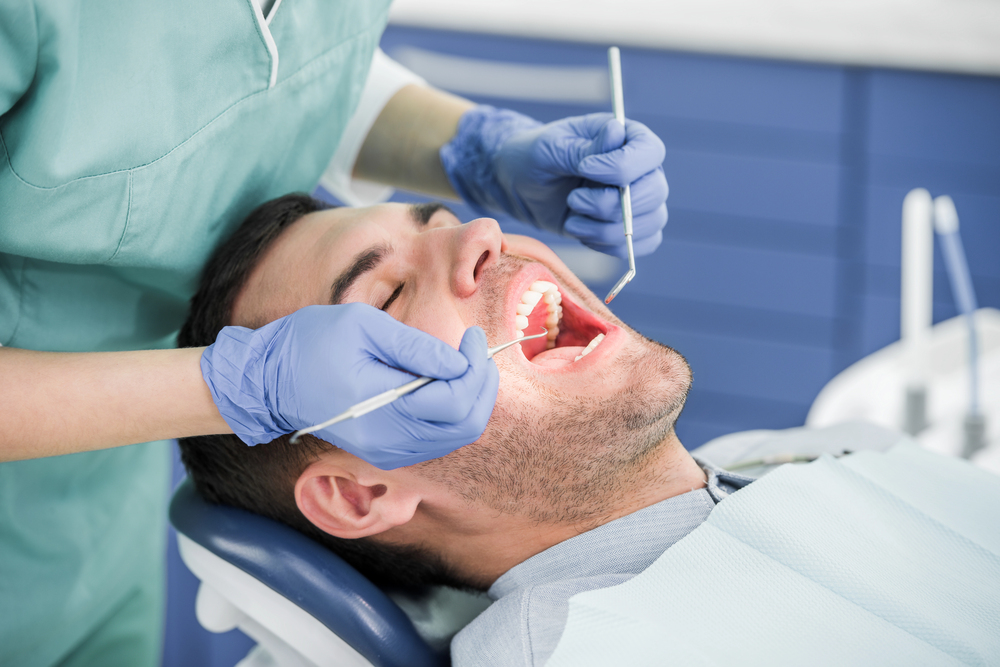
A toothache that keeps you up at night, a sharp twinge every time you sip something cold, or a tooth that has started to darken can make ordinary days harder than they should be. When the problem sits deep inside a tooth, root canal therapy is often how we address it while keeping your natural tooth in place. At Family & Implant Dentistry of Stuart, we provide root canal treatment for teens and adults in Stuart, FL, with Dr. Jordan Broaddus and Dr. Eleine Laffita guiding each visit from diagnosis to final restoration.
Root canal therapy treats the inner part of a tooth, called the pulp, which contains nerves and blood vessels. When deep decay, a crack, or an injury allows bacteria to reach the pulp, it can become inflamed or infected. During treatment, we remove the affected pulp, clean and shape the canals inside the root, and then fill and seal them. This addresses the source of the problem and allows you to keep the tooth instead of having it removed.
Saving a natural tooth matters for everyday function. It helps you chew comfortably, keeps neighboring teeth from shifting into an empty space, and preserves the natural look of your smile. Root canal therapy is one of several restorative options we offer, so we can explain how it compares with alternatives such as an extraction followed by tooth replacement.
We perform root canals on front teeth, premolars, and molars. The goal is the same for each, but the anatomy of each tooth affects how treatment unfolds:
- Anterior root canal: Front teeth, including incisors and canines, are usually simpler to treat. These teeth are often involved when a tooth has been injured or has darkened.
- Premolar root canal: Premolars sit between the front teeth and the molars. Some have more than one canal, which adds a step or two compared with a front tooth.
- Molar root canal: Molars at the back of the mouth handle the heaviest chewing and have several canals. They are the most involved to treat and may take longer.
Because back teeth take so much biting force, a treated premolar or molar is commonly protected with a crown afterward. Front teeth may need less reinforcement, depending on how much healthy structure remains. We will explain which category your tooth falls into and what that means for your appointment time and follow-up care.
Do I need a root canal?
You may need a root canal if the pulp inside a tooth is inflamed or infected, and the only way to know for certain is an exam. Common warning signs include lingering sensitivity to hot or cold, pain when biting, swelling near a tooth, or a tooth that has changed color. Some problems cause few symptoms at all, which is one reason routine dental exams are valuable.
If something feels wrong, we encourage Stuart patients to come in sooner rather than later. We offer same-day emergency appointments and accept walk-ins, so you do not have to wait through days of discomfort. During your visit, we examine the tooth, discuss what we find, and talk through whether root canal therapy, a filling, or another approach makes the most sense.
What happens during root canal treatment?
Treatment begins with numbing the area so we can work on the tooth. We then create a small opening, remove the damaged pulp, and carefully clean the canals. Once the canals are prepared, we fill and seal them to help keep bacteria out. A temporary or permanent restoration closes the opening, and many teeth, especially molars and premolars, receive a crown to restore strength.
If you feel anxious about dental work, let us know. We offer nitrous oxide sedation to help you feel more relaxed during treatment. We also provide Spanish-speaking care, so you can ask questions and understand each step in the language you are most comfortable with.
How do I care for my tooth afterward?
Most aftercare is straightforward: be gentle with the treated tooth until it is fully restored, and keep up good oral hygiene. It is normal for the area to feel tender for a short time. We will give you specific instructions based on your tooth and let you know when to return for your crown or final restoration if one is needed.
Brushing, flossing, and regular cleanings with our dental hygienist help protect both the treated tooth and the teeth around it. If you notice anything unexpected during recovery, call our office and we will help you decide on the right next step.
How can I pay for a root canal?
We accept all major PPO insurance plans, and we are happy to review your coverage with you before treatment. We also welcome self-pay patients who do not carry dental insurance.
For patients who prefer to spread out costs, we offer financing through CareCredit and Health Finance Direct. Our Saturday hours also make it easier for Stuart families and working adults to fit treatment into a busy week. If you think you may need a root canal, contact Family & Implant Dentistry of Stuart to schedule an exam.