
Services
Crowns
We restore cracked, worn, or weakened teeth with crowns that bring back strength, shape, and comfortable chewing.

Why choose us
Benefits of Crowns
Protect Weakened Teeth
We cover cracked, worn, or heavily filled teeth with a crown so they can keep doing their job.
Natural-Looking Results
We shape and shade each crown to blend in with the teeth around it.
Chew With Confidence
A crown restores a damaged tooth's strength so you can eat more comfortably.
Part of Complete Care
Whether your crown follows a root canal or tops a dental implant, our team handles it here in our Stuart office.
Flexible Payment Options
We accept all major PPO plans and self-pay patients, and we offer financing through CareCredit and Health Finance Direct.
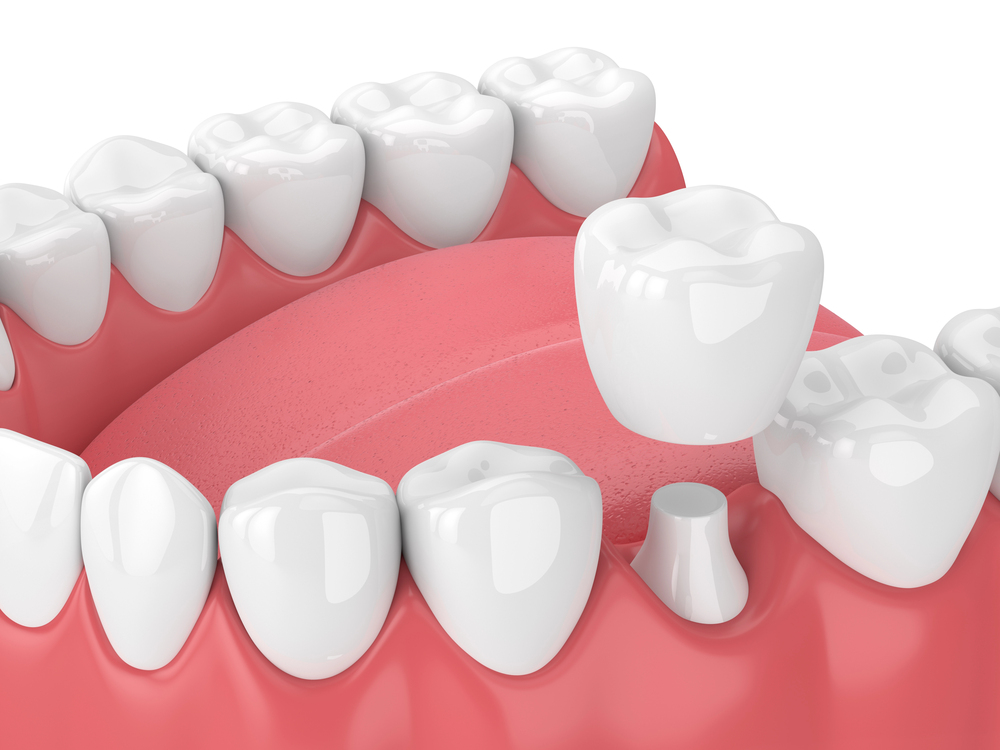
If a tooth has cracked, broken, or been worn down, or if a large old filling is starting to fail, you may be wondering whether that tooth can still be saved. In many cases, a dental crown is how we protect it. A crown is a custom-made cap that fits over the entire visible part of a tooth, restoring its shape and strength so you can chew and smile with confidence again. Here in Stuart, our team at Family & Implant Dentistry of Stuart places crowns for teens and adults as part of our everyday restorative care.
A dental crown covers a tooth from the gumline up. Unlike a filling, which repairs one area of a tooth, a crown surrounds the whole tooth and holds it together. That makes crowns a good fit when there is not enough healthy tooth structure left for a filling to stay secure, or when a tooth needs extra support to handle everyday biting forces.
Crowns also work closely with several of our other treatments. After root canal therapy, a tooth can become more brittle, and a crown often protects it from fracturing. Crowns also anchor bridges, which replace a missing tooth by attaching to the teeth on either side. They sit on top of dental implants, which we place entirely in-house. With all of these options under one roof, we can plan your care as a whole.
Patients come to us for crowns for many different reasons. Some notice a sharp edge after biting down on something hard. Others have a back tooth that has slowly weakened under a large filling placed years ago. Some are finishing a root canal, and others want to improve the appearance of a misshapen or badly discolored tooth that other cosmetic options can't fully address.
Here are some of the most common situations where we recommend a crown:
- A tooth that is cracked, chipped, or broken
- A tooth with decay too extensive for a filling
- A tooth that has had root canal therapy
- An old, large filling that is breaking down
- A tooth needed to support a bridge
- An implant that needs a visible, natural-looking top
Every mouth is different, so we always start with a dental exam to see what is really going on. Sometimes a filling is enough. Sometimes a tooth can't be saved and replacement is the better path. We will explain what we see and walk you through your options before you decide.
Is getting a crown uncomfortable?
For most patients, getting a crown feels similar to getting a filling. We numb the area thoroughly before we begin. If dental visits make you anxious, we also offer nitrous oxide sedation to help you feel calmer and more relaxed during treatment.
Preparing a tooth for a crown involves gently reshaping it so the crown can fit snugly over it. Afterward, some mild tenderness in the tooth or gums is normal for a short time. If anything feels off, such as your bite feeling high, just let us know. A small adjustment often makes a big difference in comfort.
How do I care for my crown afterward?
You care for a crown much like a natural tooth: brush twice a day, floss daily, and keep up with regular visits. A crown itself can't get a cavity, but the tooth underneath can still develop decay along the edge where the crown meets the gumline. That is why daily flossing and professional dental cleanings matter so much.
It also helps to be mindful of habits that put extra stress on teeth, such as chewing ice, biting fingernails, or opening packages with your teeth. During your routine exams, we check your crown's fit and the health of the surrounding gums. Catching small issues early helps protect both the crown and the tooth it covers.
How can I pay for a dental crown?
We accept all major PPO insurance plans, and many plans include some coverage for crowns as a restorative service. Our team is happy to help you understand how your benefits may apply. We also welcome self-pay patients.
To make treatment easier to fit into your budget, we offer financing through CareCredit and Health Finance Direct. These options let you move forward with care you need without waiting. Before treatment begins, we will go over the details with you so there are no surprises.
When should I come in?
If a tooth is hurting, broken, or feels different when you bite, it's best to come in sooner rather than later. A damaged tooth can worsen over time, and early care often keeps treatment simpler. We offer same-day emergency appointments and welcome walk-ins, so you don't have to wait when something goes wrong.
We know your schedule is busy, which is why we offer Saturday hours. Our team also provides Spanish-speaking care, so you can ask questions and understand your treatment comfortably. Dr. Jordan Broaddus and Dr. Eleine Laffita would love to help you protect your smile. Call or stop by our Stuart office to schedule your visit. We look forward to seeing you.
The process
What to expect
- 1
Exam and Planning
We examine your tooth, talk through your options, and answer your questions in English or Spanish.
- 2
Preparing Your Tooth
We gently shape the tooth so your crown can fit securely and comfortably, and nitrous oxide is available if you feel nervous.
- 3
Placement and Aftercare
We place your crown, check your bite, and keep it healthy at your regular cleanings and exams.
Questions
Crowns FAQs
Does insurance cover dental crowns?
We accept all major PPO insurance plans, and many plans include some coverage for crowns. Coverage varies from plan to plan, so our team is happy to help you understand your benefits before treatment. We also welcome self-pay patients and offer financing through CareCredit and Health Finance Direct.
Does getting a crown hurt?
Most patients find getting a crown comfortable, because we numb the area before we begin. If you feel nervous about dental visits, we offer nitrous oxide sedation to help you relax. Some mild tenderness around the tooth afterward is common and usually fades as you adjust.
How long does it take to get a crown?
Treatment time depends on your tooth and the type of crown you need, and we will walk you through each step at your consultation. We prepare the tooth, fit you for a crown that matches your smile, and check that your bite feels right. Our Saturday hours can make it easier to fit appointments into a busy schedule.
How long will my crown last?
How long a crown lasts depends on factors like your bite, your habits, and how well you care for your teeth. Brushing, flossing, and keeping up with regular cleanings and exams help protect both the crown and the tooth underneath. At each visit, we check your crown to catch any concerns early.
Who needs a crown, and are there alternatives?
A crown is often a good option for a tooth that is cracked, badly decayed, worn down, or weakened after root canal therapy. Depending on your tooth, a filling or a porcelain veneer may be another choice. If a tooth cannot be saved, we also offer bridges and dental implants placed entirely in our own office. We will examine your tooth and explain the options that fit your needs.