
Services
Oral Cancer Screening
We check your mouth, tongue, and throat for early warning signs of oral cancer during your routine visits.
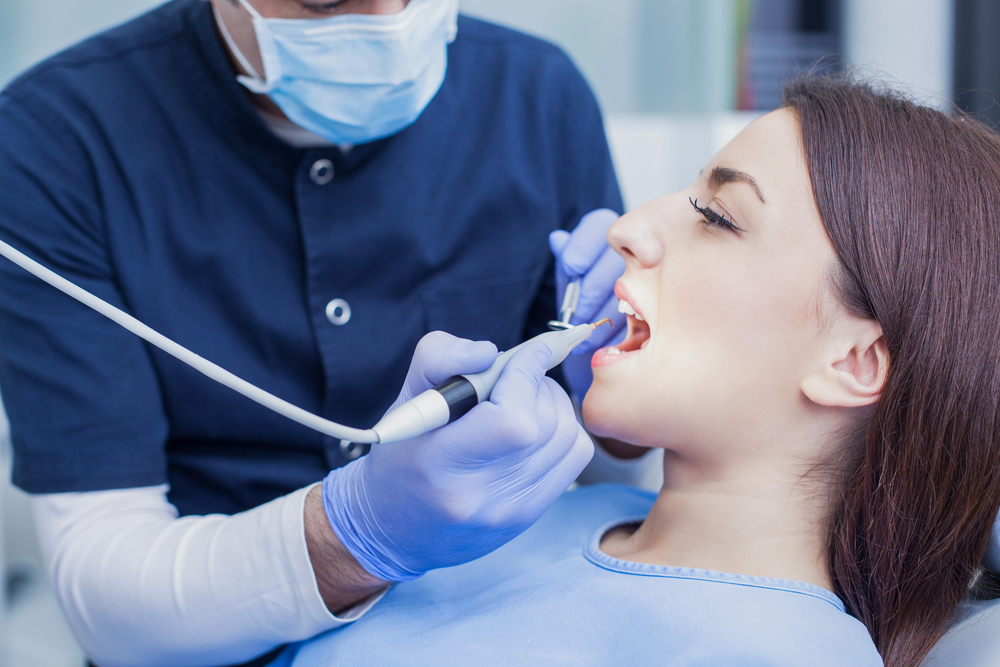
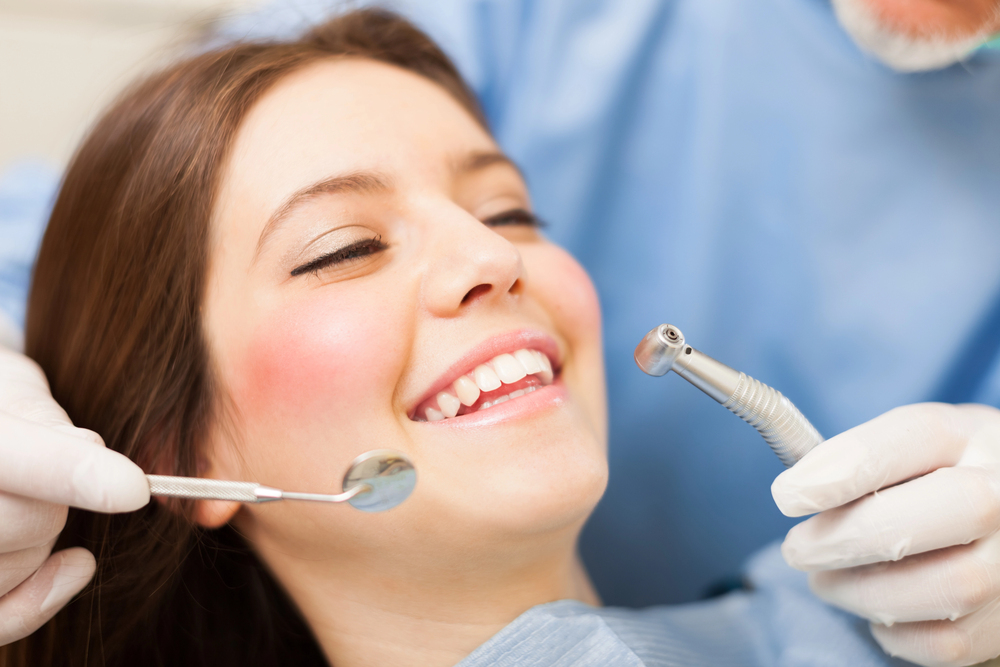
Why choose us
Benefits of Oral Cancer Screening
Early Detection Matters
A routine screening helps us spot unusual changes in your mouth before they become harder to address.
Part of Your Visit
We can include your screening during your regular dental exam, so there's no extra appointment to schedule.
Quick and Comfortable
Our dentists gently check your mouth, tongue, throat, and neck with a simple, noninvasive exam.
Peace of Mind
You leave knowing a trained set of eyes has looked closely at areas you can't easily see yourself.
Care in Spanish
Our team offers Spanish-speaking care, so you can ask questions and understand every finding with confidence.
Most people never notice the small changes that happen inside their mouths. A sore that lingers, a rough patch on the cheek, or a spot on the tongue can be easy to miss when you're brushing in a hurry. An oral cancer screening gives those changes a second look from someone trained to spot them. At Family & Implant Dentistry of Stuart, we make that check a routine, unhurried part of caring for our patients in Stuart, FL.
An oral cancer screening is a careful examination of the soft tissues in and around your mouth. We look for anything that seems out of the ordinary, such as discolored patches, sores, lumps, or areas that feel different from the surrounding tissue. The check covers your lips, gums, tongue, the inside of your cheeks, the roof and floor of your mouth, and the back of your throat. We may also gently feel along your jaw and neck.
Because we see so many patients for cleanings and exams, the screening fits naturally into the visits you already make. Dr. Jordan Broaddus and Dr. Eleine Laffita, along with our dental hygienist, watch for changes over time. That continuity matters, since comparing what we see today with what we saw at your last visit helps us notice something new.
Oral cancer screening is helpful for every teen and adult we see, not only people who think they're at higher risk. Many patients come in without any symptoms at all, and that's exactly when a routine check is most useful. Others notice something specific between visits and want it looked at promptly.
Here are some situations where patients often ask us for a closer look:
- A sore, ulcer, or irritated spot that hasn't healed on its own
- White or red patches on the gums, tongue, or cheeks
- A lump, thickened area, or rough spot you can feel with your tongue
- Ongoing hoarseness, throat discomfort, or trouble swallowing
- Tenderness or numbness in the mouth or lips that doesn't go away
If you notice anything like this, you don't need to wait for your next cleaning. We offer same-day emergency appointments and walk-ins, so you can come in when a concern is on your mind rather than worrying about it for weeks.
Is there anything I should do before my screening?
No special preparation is needed for an oral cancer screening. Simply come to your visit as you normally would. If you wear dentures, partial dentures, or any removable appliance, we'll ask you to take it out so we can see all of the tissue underneath.
It does help to share a few details with us. Let us know if you've noticed any changes in your mouth, how long they've been there, and whether they've gotten better or worse. Telling us about your health history and habits gives us useful context. Our team offers Spanish-speaking care, so you can describe what you're experiencing in the language you're most comfortable with.
What happens after the screening, and how will I get my results?
In most cases, you'll hear what we found before you leave the chair. We talk you through what we saw in plain language. If everything looks healthy, there's nothing special to do afterward. The exam is noninvasive, so you can return to eating, working, and your regular routine right away.
If we notice an area that needs more attention, we'll explain exactly what we saw and why it caught our eye. Many spots turn out to be minor irritations, and sometimes the next step is simply to watch the area and recheck it at a follow-up visit. When further evaluation is appropriate, we'll talk with you about your options and what comes next. Our goal is that you leave informed, never confused or left guessing.
How can I pay for an oral cancer screening?
We accept all major PPO insurance plans, and we're happy to help you understand how your coverage applies to your visit. Because the screening is commonly done alongside a dental exam, many patients find it fits easily into their regular preventive care.
We also welcome self-pay and cash patients. For anyone who wants to spread out the cost of their dental care, we offer financing through CareCredit and Health Finance Direct. Our front desk team can walk you through these choices so there are no surprises.
When can I schedule my oral cancer screening?
You can schedule anytime, and Saturday hours make it easier to fit a visit around work, school, and family commitments. If it has been a while since your last exam, or if something in your mouth has been bothering you, now is a good time to come in. Contact Family & Implant Dentistry of Stuart to book your visit. We look forward to seeing you.
The process
What to expect
- 1
Talk With Us
We review your health history and ask about any sores, lumps, or changes you've noticed.
- 2
Gentle Screening Exam
Dr. Broaddus or Dr. Laffita carefully examines your oral tissues, tongue, throat, and neck.
- 3
Review and Follow-Up
We share what we found, answer your questions, and recommend next steps or continued monitoring.
Questions
Oral Cancer Screening FAQs
Does insurance cover an oral cancer screening?
Coverage depends on your specific plan, so the best step is to check your benefits with us or your insurer. We accept all major PPO insurance plans and welcome self-pay patients as well. If you need help spreading out costs for your care, we offer financing through CareCredit and Health Finance Direct.
Is an oral cancer screening painful?
No, an oral cancer screening is generally a comfortable, non-invasive part of your visit. Our dentist looks carefully at your mouth, tongue, throat, and surrounding tissues and may gently feel areas of your jaw and neck. Let us know if anything feels uncomfortable, and we will adjust as we go.
How long does an oral cancer screening take?
A screening usually takes just a few minutes. We can schedule it alongside your dental exam or cleaning, so it fits easily into a routine visit. Dr. Jordan Broaddus or Dr. Eleine Laffita will explain what we are checking for along the way.
Is there any recovery time after the screening?
There is no recovery time, and you can return to your normal routine right away. If we notice anything that needs a closer look, we will talk with you about what we saw and the next steps. A screening helps identify areas of concern but does not by itself provide a diagnosis.
Who should get an oral cancer screening?
Our team provides oral cancer screenings for teens and adults as part of keeping their mouths healthy. Getting checked regularly helps us notice changes over time. If you notice a sore, lump, or patch that does not go away, call our Stuart office, as we offer same-day emergency appointments, walk-ins, Saturday hours, and Spanish-speaking care.